



Moving from diagnosis to a personalized treatment plan
We understand that a diagnosis of cancer can be overwhelming. You may not know where to begin or what questions to ask. Our team works with you every step of the way, from diagnosis and treatment, through follow-up care. Understanding your specific type of cancer, or cancer-related syndrome is essential to informed decision making.
Preparing for your first appointment
The following tips will help your appointment runs smoothly and feel less stressful.
- Bring someone with you. A family member or friend can act as a second set of ears. They can ask questions you may not think of, and they can help you keep track of appointment details and next steps.
- Write down your questions. Before your visit, make a list of questions you may have and bring them with you. Bring a notebook to your appointments so that you or your friend can take notes.
- Have your information ready. Bring your current insurance and prescription cards to each appointment. Check with your insurance company before your appointment to understand your co-pay and what charges to expect that day.
Care centered on you
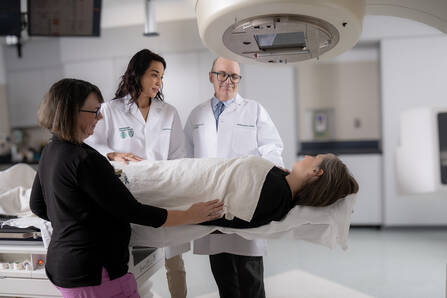
As part of your treatment plan, our team:
- Coordinates specialists in all areas of care, from diagnosis to treatments, and follow-up care you need
- Develops and discusses your care plan with you
- Connects you and your family with supportive services, answers to your questions, and resources for managing symptoms and recovery
Treatment options
Dartmouth Cancer Center Keene is a world-class facility for cancer treatment and research. Located at Cheshire Medical Center, we offer high-quality, compassionate cancer treatment to our local communities, the Monadnock Region of New Hampshire, and nearby towns in Vermont, Massachusetts, and beyond.
Your treatment may include:
Chemotherapy
Chemotherapy is a treatment for cancer that uses powerful medicines. You may receive these medicines in a pill, a shot or an IV. Medicines for cancer chemotherapy are constantly being improved for effectiveness and reduced side effects. Our specialists keep a close eye on the latest developments for your personalized care plan. If your plan calls for it, you’ll receive chemotherapy in the infusion bays within Kingsbury Pavilion at Cheshire Medical Center.
We've created a welcoming space in order to make your visit as comfortable as possible. Many patients bring personal devices to connect to our Wi-Fi and listen to audiobooks or watch videos.
Your oncologist explains your treatment thoroughly and our specialized oncology nurses grow to feel like family—please don’t hesitate to ask questions about your plan of care.
The Infusion Services page offers a video and resources so you can learn what to expect.
Hematology
Hematology treats malignancies of the blood as well as other blood disorders.
Pain management
We provide evaluation and treatment for cancer-related pain through our pain management service. Our team combines advanced treatment options with compassionate, expert care to help manage pain and improve quality of life.
Palliative care
Palliative care services are offered to any inpatient diagnosed with a terminal illness. Oncology patients, at any stage of their illness, can also receive this care in the outpatient setting while they are receiving their cancer treatment.
Physical rehabilitation
We provide physical rehabilitation services for patients in the hospital and in outpatient settings. Our cancer recovery therapists create personalized therapy plans to support your needs. We also have an oncology rehabilitation program that provides tailored treatment, from diagnosis through all phases of care.
Radiation oncology
Radiation oncology is a specialized area of cancer medicine that uses radiation therapy. Radiation therapy is one of the most common treatments for cancer.
Radiation therapy
Radiation therapy is a type of treatment that uses high doses of radiation, like high-powered X-rays, to help destroy cancer cells or make tumors smaller. Radiation therapy usually requires frequent visits, often daily, over an extended period. Our advanced technology allows you to receive your treatment close to home.
For some cancers, radiation therapy is the first line of defense. For other types, it is used in support of surgery, chemotherapy, or other treatments. Your radiation oncologist explains your treatment thoroughly, answering any questions you may have.
While the general technique—eliminating tumors with focused energy—is not new, radiation oncologists, medical physicists, and scientists are combining a number of modern technologies for producing significant breakthroughs in radiation therapy. New advancements in imaging and beam shaping have to led to improved targeting while reducing side effects.
The Radiation Treatment page explains what you can expect.
Surgical oncology
Your team may need a surgical diagnostic procedure, such as a biopsy, to form an accurate diagnosis to inform your plan of care. Surgical oncologists often play a vital role in cancer treatment. These specialized surgeons remove tumors and repair organs or tissues damaged by the cancer. Sometimes they also support a care plan by offering palliative treatment.
Our general surgeons, urologists, gynecologists, orthopedic surgeons, ophthalmologists, vascular surgeons, and oral surgeons are among the specialists whose skill and expertise are often required for surgical cancer treatment at Dartmouth Cancer Center Keene. Some specialized care plans may include surgery at another Dartmouth Cancer Center location, as our system of care allows us to form the best collaborative team for your unique needs.
Learn more about surgical oncology at Dartmouth Cancer Center.
Your care expands when you need it
We work closely with other specialists at other Dartmouth Cancer Center locations to coordinate patient referrals, treatment, education, and clinical trials. For some advanced treatments, we may refer you to our team in Lebanon, New Hampshire. However, most patients still experience their follow-up care right here in Keene.
Managing your symptoms and side effects
Managing symptoms and side effects is key to your recovery and well-being. With a cancer diagnosis and treatment, you may have many questions for your doctor or other caregiver. Your team is always ready to talk with you on the phone or face-to-face. Taking good care of you is always our priority.
Rehabilitation and supportive services
We are here to support you during and after your diagnosis and treatment:
- Our inpatient outpatient rehabilitation services include therapists specialized in cancer recovery who create comprehensive therapy plans.
- Nutrition services and pain management can support you through side effects and recovery.
- Our primary care collaborative care nurses and care coordinators serve as resources to check in throughout your journey.
Healthcare at Dartmouth Cancer Center Keene is made possible in part by a generous donation from the Kingsbury family.