



Everyone asks me my specific brand of sunscreen that I like. I really like the one that people want to use. If it’s a cream, if it’s a lotion, if it’s a spray, whatever gets on there, I’m happy with.
Olivia Tasho, MPAS, PA-C, DermatologySummer is the time to soak up the sun. But before heading outside, it’s important to understand the risks of ultraviolet (UV) exposure, the leading cause of preventable skin cancer.
We spoke with Dermatology’s Olivia Tasho, MPAS, PA-C, about how to best protect your skin this summer, in recognition of UV Safety Awareness Month.
How UV rays affect the skin
UV light penetrates skin cells, damaging their DNA. This triggers inflammation (sunburn) and melanin production (tanning). Over time, UV exposure breaks down collagen, significantly increasing the risk of skin cancer and premature aging, such as wrinkles and dark spots.
Sun protection tips
With proper protection, you can still safely enjoy time outdoors. The American Academy of Dermatology and American Cancer Society recommend the following:
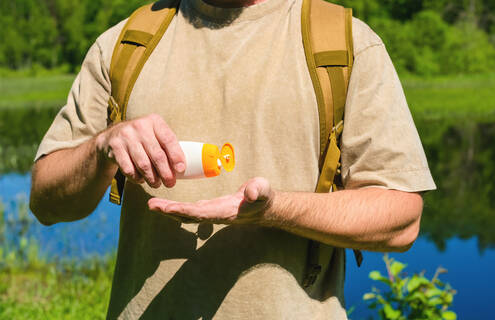
- Apply sunscreen: Use a broad-spectrum, water-resistant sunscreen with a sun protection factor (SPF) of 30 to 50. Any higher isn’t necessary, Tasho noted, but will still work well. Apply 1 ounce (about 2 tablespoons) of sunscreen to your entire body 15 to 20 minutes before going outside. Reapply every two hours or after swimming and excessive sweating.
- Wear protective clothing: Clothing shields you from the sun, but not all fabrics and colors provide equal protection. Dark or bright colors will absorb UV rays better than lighter shades. Loose-fitting clothes made of densely woven fabrics, like denim or synthetic fibers, are also best. Remember that the more skin you cover, the better you’ll be protected.
- Protect your eyes: Wearing sunglasses that block 100% of UV rays whenever you are outdoors is the best way to protect your eyes from the sun. Long-term exposure without proper eyewear can lead to cataracts and other eye conditions.
- Seek shade: Avoid peak sun hours, typically 10 am to 4 pm, to limit your sun exposure.
Debunking the ‘base tan’
Tasho has heard from many patients that they will skip sunscreen at the start of the summer to get their “base tan” — intentionally developing a light tan through outdoor sun exposure or indoor tanning beds under the mistaken belief that it will protect the skin from future sunburns.
But a base tan does not provide protection. Tasho explained that a tan actually indicates sun-damaged skin, so sunscreen should always be applied before spending time outdoors.
“A tan is actually an indicator of sun-damaged skin already, and so it’s your body’s way of saying there’s already some damage there … and trying to protect the rest of your skin from getting more UV damage,” Tasho said. “I never like to hear when people say, ‘Oh, I just need to get my base tan and then I’ll be good,’ because that is false.”
Year-round sun safety
Just because you may spend more time outdoors in the summer months does not mean you should only apply sunscreen in hotter weather. Sunscreen should be worn year-round to best protect your skin from harmful UV exposure.
“Being in New England, most of us are outside in the wintertime, and that’s just as bad [as the summer], getting a lot of the reflection from the sun,” Tasho said. “So being really hypervigilant about SPF use and wearing wide-brimmed hats, things like that.”